
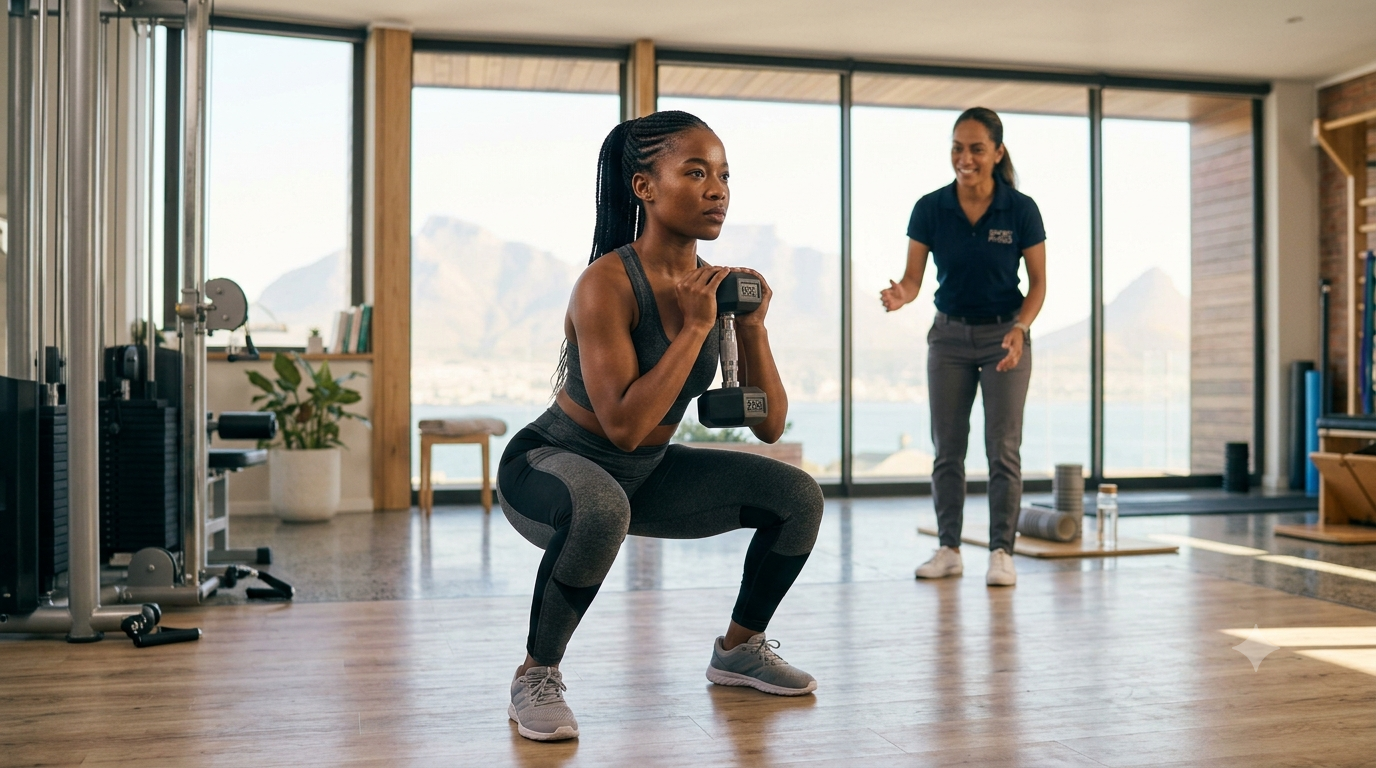
Strength Training for Women in Cape Town: A Coach's Guide to Getting Strong
- taylinholland9
- 5 days ago
- 4 min read

If the weights section of the gym has always felt like someone else's territory, you are not alone. Many women come to strength training convinced it will make them bulky, or simply unsure where to begin. The reality is far more encouraging: getting strong is one of the best things you can do for your body, your confidence and your long-term health, and you do not need to be an athlete to start. Here in Cape Town, more women than ever are discovering what a well-coached strength programme can do.
Why is strength training so good for women?
Strength training does far more than change how you look. Lifting weights builds and maintains lean muscle, which supports your metabolism, protects your joints and keeps you capable in everyday life, from carrying shopping to keeping up with your children. It is also one of the most powerful things you can do for bone health. Women naturally lose bone density with age, and resistance training helps preserve it, lowering the risk of osteoporosis later on. Add in better balance, improved posture and a genuine lift in mood and energy, and it becomes clear why strength work belongs in every woman's routine.
Will strength training make me bulky?
This is the myth that holds so many women back, and for the vast majority it simply is not true. Building large, bulky muscles takes years of dedicated, high-volume training alongside a very specific diet. What strength training actually gives most women is a leaner, firmer, more defined shape, along with strength that makes daily life easier. You have far more control over your results than you might think, and a good coach will tailor your programme to the outcome you want, whether that is feeling stronger, moving better or simply feeling more at home in your body.
What does women's strength training actually involve?
Effective strength training is about much more than lifting heavy. A good programme rests on three pillars: mobility, stability and strength. Mobility work keeps your joints moving freely and comfortably. Stability training teaches your core and the smaller supporting muscles to control that movement, which is where a great deal of injury prevention happens. Only then do you layer on progressive strength work, such as squats, hinges, presses and pulls, that steadily builds real, usable power. This is exactly the approach I take with the women I coach in Cape Town: we build a solid foundation first, then get strong on top of it.
How do I start if I am a complete beginner?
The best starting point is honest and unglamorous: learn the movements well before you worry about how much you can lift. In your first few weeks, the focus should be on technique, squatting, hinging, pushing, pulling and bracing your core, using light loads or just your bodyweight. Working with a coach in these early stages pays off enormously, because good habits formed now prevent niggles and setbacks later. Two to three sessions a week is plenty to begin with, and consistency will always beat intensity. A plan you can stick to for months will do far more than a punishing routine you abandon in two weeks.
What can I expect in the first few months?
Most women are surprised by how quickly they progress. In the first few weeks, much of the improvement comes from your nervous system learning to recruit muscle more efficiently, so you feel stronger and more coordinated well before any visible change. Over the following months, you will typically notice better posture, more energy, clothes fitting differently and everyday tasks feeling easier. Just as importantly, most women describe a shift in how they feel about themselves: more capable, more confident and more at ease in their own strength.
Frequently asked questions
How many times a week should women strength train?
For most women, two to three strength sessions a week delivers excellent results while leaving plenty of time to recover. As you get stronger and more experienced you can adjust the frequency to suit your goals, but consistency over time matters far more than any single session.
Do I need to lift heavy weights to see results?
No. You can make meaningful progress starting with bodyweight exercises, resistance bands or light weights, gradually increasing the challenge as your technique and confidence grow. The key is progressive overload, asking a little more of your body over time, not lifting as heavy as possible from day one.
Is it safe to strength train during pregnancy or my period?
Many women train safely and comfortably throughout their cycle and during pregnancy, often finding it helps with energy and discomfort. That said, pregnancy and certain health conditions call for a tailored approach, so it is always best to check with your doctor and work with a coach experienced in adapting programmes to your needs.
Book with Taylin
If you are ready to build real strength in a supportive, judgement-free environment, I would love to help you get started. Whether you are completely new to training or returning after a break, we will build a programme around you and your goals. Get in touch with Cape Town Strength & Conditioning to book your first session with Taylin here in Cape Town.


